Aluminum Foundry techniques which enhance product reliability
Wiki Article
Leading Factors Light Weight Aluminum Shop Casting Is Considered Eco-Efficient and Sustainable and eco-efficient
Aluminum shop casting has become a leading method for lasting manufacturing. Its high recyclability establishes it apart, allowing for uncertain reuse with very little energy costs. The manufacturing procedure is created to be energy-efficient, adding to a significantly minimized carbon impact. Additionally, advancements in modern technology have actually resulted in reduced waste generation. These aspects, together with the support for round economic situation principles, increase essential concerns about the future of this eco-efficient method.High Recyclability of Light Weight Aluminum
Light weight aluminum's high recyclability stands as a cornerstone of its sustainability profile. This metal can be reused indefinitely without shedding its crucial homes, making it an indispensable component of a circular economic situation. About 75% of light weight aluminum ever before created is still in use today, showcasing its longevity and reusability - Foundry. The reusing procedure requires just 5% of the power required for primary light weight aluminum manufacturing, considerably decreasing carbon discharges and resource deficiencyRecycling light weight aluminum likewise saves all-natural sources, decreasing the demand for bauxite removal, which can be ecologically destructive. Furthermore, the recycled aluminum can be transformed into new items, varying from drink cans to automobile components, therefore supporting numerous sectors. As customer recognition of ecological concerns grows, the demand for recycled aluminum is anticipated to climb, motivating extra efficient practices. Overall, the high recyclability of aluminum not just improves its sustainability yet likewise leads the way for a more accountable method to resource monitoring.
Energy Efficiency in Production
A significant aspect of aluminum foundry spreading is its concentrate on power performance in production procedures. Using innovative modern technologies, such as die casting and financial investment casting, enables accurate control over the material and power inputs called for. These techniques decrease waste and optimize the melting and casting cycles, lowering general energy intake.Furthermore, contemporary factories utilize insulation techniques to preserve warmth during the melting process, additionally boosting power effectiveness - Aluminum Foundry. The integration of renewable resource resources, such as solar and wind power, is ending up being progressively typical, adding to a much more lasting production environment
Minimized Carbon Impact
Energy efficiency not just improves manufacturing procedures but likewise plays a substantial duty in reducing the carbon impact of aluminum shop spreading. The adoption of advanced technologies, such as energy-efficient heaters and optimized melting techniques, lessens power usage, which straight correlates with reduced greenhouse gas exhausts. This shift not just sustains environmental goals yet likewise adds to the sustainability of commercial operations.Light weight aluminum foundry casting commonly makes use of recycled light weight aluminum, which requires substantially less energy contrasted to producing new metal from raw materials. This reusing process further reduces the general carbon footprint connected with light weight aluminum production. Additionally, makers are increasingly concentrating on sustainable power resources, such as solar or wind power, to meet their power needs, further lowering reliance on nonrenewable fuel sources. By prioritizing these eco-efficient methods, the aluminum foundry sector can considerably contribute to a much more sustainable future while addressing climate change issues.
Lower Waste Generation
In the pursuit of eco-efficient light weight aluminum foundry casting, minimizing product waste is vital. By utilizing recyclable metal and implementing reliable manufacturing processes, foundries can greatly minimize waste generation. This approach not just preserves sources however additionally improves general sustainability in the casting market.Minimal Material Waste
While functioning in the direction of sustainability, the aluminum foundry market focuses on marginal product waste as an essential objective. This technique involves enhancing the style and production procedures to reduce excess product throughout manufacturing. Advanced modeling methods and computer-aided style permit exact estimations, ensuring that every piece of aluminum offers an objective. Additionally, factories execute reliable mold and mildew styles that optimize the use of light weight aluminum while decreasing scrap. By employing strenuous quality control actions, issues can be recognized early, further decreasing material waste. The fostering of lean manufacturing principles encourages continual renovation, promoting a society of waste reduction throughout the manufacturing cycle. Eventually, these techniques not only boost functional performance but also contribute to an extra sustainable production atmosphere in the light weight aluminum shop field.Recyclable Steel Use
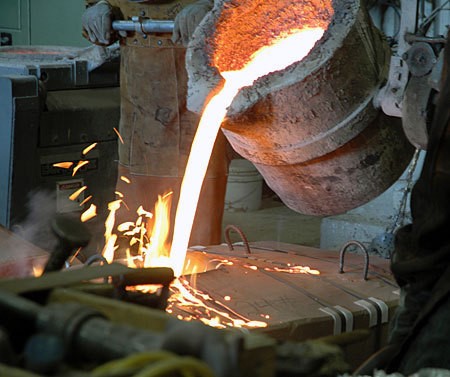
Reliable Production Procedures
Reliable production procedures are necessary for reducing waste generation in light weight aluminum foundries, as they straight effect source application and environmental sustainability. By embracing sophisticated manufacturing methods, factories can considerably decrease scrap rates and power consumption. Strategies such as lean production and just-in-time production improve operations, permitting for ideal use basic materials and lessening excess inventory. Additionally, the application of reusing and re-melting approaches ensures that any surplus aluminum is repurposed, better reducing waste. Automation and accuracy in casting procedures also add to greater precision, lowering the demand for rework and associated waste. Inevitably, these efficient production procedures not only boost the shop's economic efficiency yet likewise promote a more sustainable strategy to aluminum spreading.Long Product Life Process
The lengthy product life process of light weight aluminum castings is primarily attributed to their exceptional durability and strength. These features lead to a reduced regularity of replacements, allowing for even more lasting usage over time. The durability of these products adds significantly to eco-efficiency in producing processes.Longevity and Stamina
Durability and toughness are important aspects in the lengthy item life cycle of light weight aluminum spreadings. These residential or commercial properties guarantee that light weight aluminum parts can withstand severe environments, mechanical tensions, and temperature level variations without significant deterioration. The intrinsic resistance of light weight aluminum to deterioration further boosts its longevity, making it ideal for different applications, from vehicle components to architectural elements in buildings. Furthermore, the capability to preserve architectural integrity gradually decreases the probability of failures, which is necessary in markets where safety is paramount. The combination of these features leads to increased reliability and performance, inevitably contributing to a much more lasting technique in manufacturing. Aluminum spreadings not just serve their desired objective properly however also advertise source efficiency with their extended functionality.Decreased Substitute Frequency
A considerable benefit of aluminum spreadings is their minimized replacement regularity, which adds to a much longer item life cycle. This long life is credited to the integral properties of aluminum, including its resistance to deterioration and wear. Unlike other materials that may break down gradually, aluminum maintains its architectural stability under different environmental conditions. Products made from light weight aluminum spreadings require much less regular replacement, leading to lower resource intake and waste generation. In addition, the extensive life process of light weight aluminum components means that fewer materials need to be mined and refined, better boosting their eco-efficiency. This sustainability element not just advantages producers however likewise straightens with expanding environmental concerns, promoting a circular economy technique in commercial practices.Support for Circular Economic Situation Principles
Assistance for circular economy principles is crucial in the context of eco-efficient aluminum foundry spreading. This approach stresses the value of resource effectiveness and waste decrease with the recycling and reuse of materials. Aluminum factories actively join this version by making use of recycled light weight aluminum, which significantly lowers power consumption and lessens environmental impact contrasted to primary aluminum production.The assimilation of circular economic climate concepts allows foundries to lower their carbon footprint while generating financial value. By cultivating a closed-loop system, where end-of-life aluminum products are reintegrated right into the production procedure, factories add to sustainable source administration.
In addition, the adoption of these concepts motivates innovation in layout and production, promoting longer-lasting items that call for fewer resources. Because of this, eco-efficient light weight aluminum factory spreading straightens with global sustainability objectives, eventually sustaining a change towards a more sustainable and durable economic climate.
Regularly Asked Concerns
How Does Aluminum Casting Effect Citizen Ecosystems?
Aluminum spreading can affect regional ecological communities by changing land use, potentially affecting wildlife environments and water top quality. Liable methods can minimize adverse impacts, advertising sustainability and decreasing environmental footprints in surrounding locations.What Are the Health And Wellness Advantages of Making Use Of Aluminum Products?
Light weight aluminum items use health and wellness advantages such as lightweight construction decreasing physical strain, deterioration resistance minimizing toxic direct exposure, and recyclability advertising ecological sustainability. Their use can cause safer, more effective living and workplace for people.Are There Any Type Of Downsides to Aluminum Factory Spreading?
Aluminum factory spreading has drawbacks, including energy-intensive processes, potential discharges throughout production, and the threat of ecological contamination. Additionally, improper recycling practices can cause throw away and resource depletion, undermining sustainability initiatives.Exactly How Does Aluminum Spreading Compare to Various Other Materials?
Aluminum casting normally offers a positive strength-to-weight ratio, rust resistance, and recyclability compared to materials like steel and plastic. Its light-weight nature provides advantages in numerous applications, improving efficiency and performance in numerous industries.What Industries Advantage Most From Light Weight Aluminum Shop Spreading?
The automobile, aerospace, and construction markets profit most from light weight aluminum factory casting. Its light-weight residential properties enhance fuel efficiency in lorries, while its toughness and versatility satisfy requiring structural demands in different applications, promoting advancement and sustainability.A considerable aspect of light weight aluminum shop spreading is its emphasis on energy performance in production processes. Energy effectiveness not only boosts manufacturing processes however likewise plays a substantial role in minimizing the carbon footprint of light weight aluminum foundry Foundry casting. Light weight aluminum shop casting typically uses recycled aluminum, which requires significantly much less power compared to creating brand-new metal from raw products. In the quest of eco-efficient light weight aluminum factory spreading, decreasing product waste is vital. Light weight aluminum shop spreading has downsides, including energy-intensive procedures, possible discharges throughout manufacturing, and the risk of environmental contamination.
Report this wiki page